Rentals: What Preparers Are Missing
2 hours CE/CPE
Live webinar, no exam required! (CTEC, EA, CPA, and unlicensed preparers)
September 17, 2026 | 10am to 12pm PST
$129.00
Rentals are just income minus expenses on Schedule E, right? Not when a client’s sister stays at the cabin for a week, or when an entrepreneur rents their own building to their business. Tax mistakes for rental activities are expensive.
This session covers the rental rules preparers get wrong most often: which days of personal use cost a client the vacation home deduction, when a rental belongs somewhere other than Schedule E, how real estate professional status and grouping elections actually work, when a repair is really an improvement, and how to defer gain on the way out.
Every rule comes with a case study showing what it costs when it gets missed, so you’ll know what to look for on the next rental return you open.
$129.00
Get ready for a deep dive into the biggest misconceptions surrounding the vacation home limits, passive activity rules, and tax strategies for rental real estate.
Learning Objectives
2. Distinguish rental activities subject to the hobby loss rules from those subject to the §280A vacation home limits, and determine when a rental activity must be reported on Schedule C rather than Schedule E.
3. Identify the requirements for real estate professional status and the grouping elections available to rental owners, including the self-rental recharacterization rule and the conditions for late election relief.
4. Differentiate a deductible repair from a depreciable improvement by identifying the unit of property and the designated building systems, and determine which rental costs qualify for §179 expensing and bonus depreciation, including the correction of missed depreciation on Form 3115.
5. Understand the tax strategies for like-kind exchanges and involuntary conversions, and determine the reporting treatment of a Delaware statutory trust interest.
Course Numbers
- CTEC: 1008-CE-01210
- IRS: UD2VU-T-00186-26-O
NASBA Program ID # 142999
Additional Information
- Field of Study: Taxes
- Program Knowledge Level: Intermediate
- Prerequisites: Prior experience preparing individual returns that include rental real estate, and a working knowledge of the passive activity loss rules, basis, and depreciation of real property.
- Advance Preparation: None
- Type of Formal Learning Program: Group program (live webinar)
Meet The Instructors
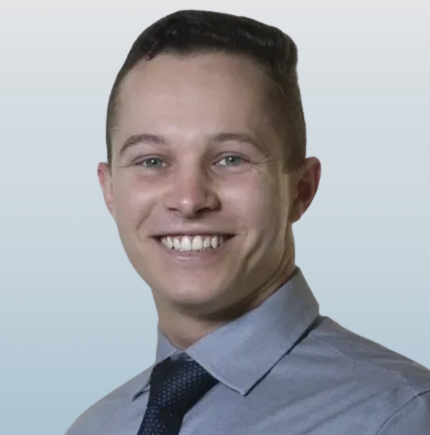
Ryan Reichert, EA, CFP®, USTCP
Ryan Reichert, EA, CFP®, is a practicing tax professional from San Diego, California. His financial planning and business ownership background makes him specially equipped to handle new and often complex tax laws. Ryan has a knack for breaking tax topics into presentations that keep attendees engaged and learning throughout the day. He is also the owner of the client-facing publication Tax News and Tips.

Shannon Hall, EA, USTCP
Shannon Hall, EA, is a tax professional based in Long Beach, CA. Her diverse client base keeps her on the cutting edge of new tax developments. Shannon is a featured speaker for tax societies nationwide and serves on the California Society of Tax Consultants’ board of directors. She was also recently nominated in the Top 50 Women in Accounting for 2023. She holds degrees in both Accounting and Theatre Arts, which aids her in creating captivating and informative tax presentations.